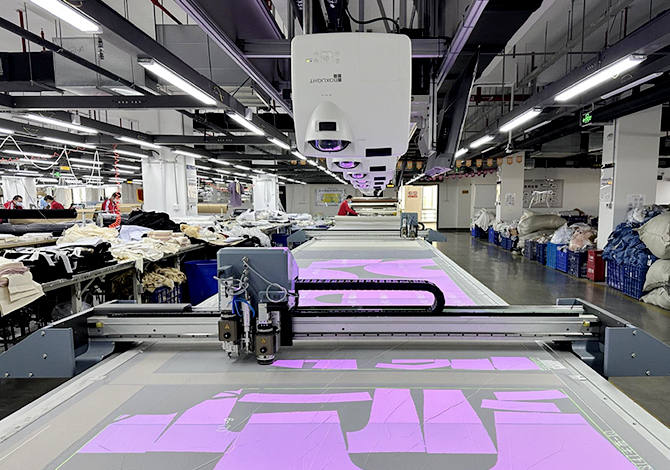
Jacket or Coat? Why the Answer Changes Everything in Outerwear Production
Many brand teams find out too late that what looks like a simple naming question on a tech pack often turns into a massive sourcing problem. On paper, the difference between a "jacket" and a "coat" might just seem like a matter of length, silhouette, and seasonal use. But once a design moves off the screen and into pattern development, lining construction, and bulk production, these two categories force completely different manufacturing realities onto the factory floor.
For established streetwear brands and fashion labels, this distinction is rarely about dictionary definitions. It is about execution risk. A custom jacket manufacturer that handles cropped bombers, varsity jackets, or workwear zip-ups perfectly may not automatically be the right setup for longer coats that require heavier structure, complex lining coordination, and higher finishing pressure. When procurement teams treat all outerwear as one broad category, they often end up with misaligned suppliers, delayed launch schedules, and products that look right in a photo but feel entirely wrong on the body.
Why does the jacket-versus-coat question become a manufacturing issue so quickly?
In apparel manufacturing, the difference between a jacket and a coat is not just about silhouette or length. It fundamentally changes fabric support needs, lining construction, pattern balance, trim count, sewing sequence, pressing difficulty, and bulk risk. What starts as a styling term quickly becomes a test of a factory's structural capability.
When product development teams and creative directors design outerwear, they frequently use "jacket" and "coat" interchangeably to describe the visual vibe of a piece. However, the moment that tech pack hits a streetwear outerwear manufacturer, the production logic shifts entirely based on the category. The vocabulary used by designers does not always align with the technical realities faced by the sewing floor.
A cropped jacket typically emphasizes shape hits, body proportion, and hardware placement. The manufacturing focus is on how the hem sits on the waist, where the zipper lands, and how the shoulders drop. A coat, on the other hand, immediately introduces issues of structure, coverage, movement below the hip, lining tension, and weight distribution. The physical forces acting on a garment that ends at the waist are fundamentally different from those acting on a garment that falls to the knee or mid-calf.
If a brand approaches a factory with a long, structured coat but expects the sampling speed and construction simplicity of a zip-up jacket, the process will inevitably stall. This is why the jacket-versus-coat debate matters so much for sourcing teams. It is not about fashion terminology; it is about establishing the manufacturing stakes early so that the right production partner is chosen for the actual complexity of the garment. This prevents situations where a factory agrees to produce a piece but lacks the specialized machinery or experienced operators to handle the specific demands of coat construction.
What changes in pattern development when a product moves from jacket logic to coat logic?
When a product moves from jacket logic to coat logic, pattern development requires far more than just extending the hemline. The balance point, shoulder drop, sleeve pitch, hem movement, front overlap, pocket height, and body swing must all be entirely recalculated to prevent the garment from dragging or collapsing.
One of the most common mistakes in outerwear production is assuming that a coat is simply a longer version of a jacket. In jacket pattern development, the focus is on shorter proportions, cleaner body hits, hem positioning, and sleeve-to-head balance. The garment usually ends near the waist or high hip, meaning it does not have to interact as heavily with the wearer's leg movements. The structural integrity of a jacket is often localized to the chest and shoulders, allowing for simpler pattern blocks and fewer adjustments during the fitting process.
Coat pattern development introduces a completely different set of physical forces. The factory must account for front length and visual weight, ensuring that the extra fabric does not pull the front panels downward and distort the neckline. Movement below the hip becomes a critical factor—if the sweep (the bottom circumference) is too narrow, the coat restricts walking; if it is too wide, it looks sloppy and catches the wind awkwardly. Layering allowances and overlap logic for closures also become much more sensitive, as a coat is typically worn over multiple layers of clothing, requiring a precise calculation of internal volume.
If a factory attempts to "just make it longer" using a jacket block, the resulting coat will feel heavy, the front will drag, and the fit will be awkward. This is why premium streetwear production partners treat a long overcoat, a padded coat, or a trench-inspired piece with entirely different pattern rules than a varsity jacket, a bomber, or a workwear zip jacket. They understand that a coat must move with the entire body, not just the upper torso.
How do fabric weight, shell behavior, and lining needs separate jackets from coats in production?
Many jackets rely on the shell fabric alone to hold their shape, but coats heavily depend on the combined system of shell, lining, and interlining to build body, warmth, drape, and structure. This layered dependency directly impacts fabric sourcing, costing, sampling accuracy, and overall production timing.
In jacket manufacturing, the fabric logic is often straightforward. Materials like heavy denim, structured twill, durable nylon, or padded shells can usually support themselves. The shell fabric dictates the drape, and the lining (if present) is often just a comfort layer or a decorative element. The relationship between the outer and inner layers is relatively simple, and any discrepancies can usually be corrected with minor adjustments.
Coat manufacturing, however, operates on a systems-level approach to materials. Heavier wool blends, structured melton-like surfaces, and technical outer shells require a highly coordinated relationship with their internal layers. The lining in a coat is not just an accessory; it is a structural component that dictates how the shell moves. If the lining is too tight, it pulls the outer shell and creates puckering along the seams. If the interlining is too stiff, the coat loses its natural drape and feels like cardboard. The padding must be evenly distributed to prevent bulkiness in the arms while maintaining warmth in the core.
This interaction between shell, lining, interlining, and padding dictates seam bulk, sewing pace, and pressing stability. A factory that excels at single-layer cut and sew jacket manufacturers might struggle immensely when asked to balance three different material tensions in a single long coat. Ultimately, fabric behavior changes manufacturing reality far more than the product's name ever could. It requires a deep understanding of material science and how different textiles react to tension, heat, and movement.
Where do trims, closures, and construction details create much bigger risk in coats than in jackets?
Coats carry significantly higher trim and closure pressure than jackets. Because of their longer length, multiple stress points, complex front plackets, and interconnected layers, buttons, zippers, snaps, facings, vents, and reinforcements all become highly sensitive risk factors during bulk production.
The closure complexity of a standard jacket is usually contained. A heavy-duty zipper, some metal snaps, a ribbed hem, and cuff handling are standard requirements. While these need precise execution, they are localized to a smaller surface area and generally experience less mechanical stress during wear. A zipper on a bomber jacket, for example, only needs to secure the torso.
Coats introduce a completely different scale of closure complexity. Factories must handle long button stands, hidden plackets, wide facings, vent structures, belt systems, and heavier front panels. The length of a coat means that every closure point bears more weight and movement stress. A button on a long coat must withstand the tension of the wearer sitting, walking, and bending, whereas a button on a cropped jacket primarily deals with static tension.
For sourcing teams, the risks in bulk production are severe. Poorly reinforced long coats suffer from front dragging, placket distortion, pocket pull, and vent opening issues where the back slit flares open unnaturally. This is why procurement teams for established streetwear brands cannot just look at a sample's aesthetic. They must ask critical construction questions: How is the front edge stabilized? What reinforcement is added around pocket openings? How does the factory handle the lining join at the hem and vent area? A short zip jacket and a long structured coat may both be black outerwear, but their risk profiles exist in entirely different worlds. Ensuring these details are executed correctly is what separates a premium product from a poorly constructed one.
Why do jackets usually move faster through sampling and bulk than coats?
While not every jacket is faster to make than every coat, coat sampling rounds are frequently delayed by structure tests, lining coordination, fit balance corrections, trim sourcing, and intense pressing requirements. Consequently, coat development and bulk production schedules are inherently heavier and longer.
Brands with validated market demand often plan their drops around specific seasonal windows, making lead times critical. Jackets generally move through the sampling phase faster because their shorter proportions and simpler internal structures allow for quicker fit approvals. The feedback loop between design and production is tighter, and pattern adjustments are usually less extensive. A factory can often produce a viable jacket sample in a matter of weeks.
Coats, however, almost always require more correction cycles. It is common for the first sample to reveal a shell-and-lining fit mismatch, where the inside pulls the outside out of shape. Front balance issues, collar and lapel corrections, hem rolls, and vent alignment problems are standard hurdles.
Furthermore, lined outerwear production relies heavily on pressing dependency—a coat's final shape is often built on the pressing table as much as it is on the sewing machine. The heat and steam applied during finishing can drastically alter the drape and dimensions of the garment, requiring careful calibration and testing.
When planning launch schedules, sourcing teams must account for this reality. A coat is rarely just a longer jacket on a longer timeline. It is usually a more layered production problem that requires a wider buffer for sampling and bulk execution. Brands that fail to build this buffer into their calendars often find themselves rushing production, which inevitably leads to quality control issues and inconsistent bulk deliveries.
How should brand teams decide whether a factory is stronger in jackets, coats, or both?
Brands should never just ask a factory if they "do outerwear." Instead, they must evaluate which outerwear logic the facility actually masters: short structured jackets, washed casual outerwear, varsity programs, or longer lined coats that demand high construction and pressing capabilities.
When a factory simply says, "we do jackets and coats," that answer provides almost no actionable information for a procurement team. The skills required to sew a lightweight nylon windbreaker are entirely different from those needed to construct a heavyweight, fully lined wool overcoat. A facility might have excellent sewing operators but lack the specialized pressing equipment necessary for tailored outerwear, or they might struggle with the complex pattern grading required for longer garments.
To properly assess a partner, brands should ask highly specific questions: What outerwear categories do you run most often? Do you handle lined long coats or mainly shorter jackets? What are the most common issues you solve during outerwear sampling? How do you review pattern and balance before pre-production approval? The answers to these questions reveal whether the factory truly understands the nuances of different outerwear categories and whether they have the operational maturity to handle complex production runs.
Some manufacturers, such as Groovecolor, are better known for categories where fabric weight, construction detail, and finish control matter more, which is why brand teams often separate short outerwear specialists from factories better equipped for longer, more structured coat programs. For a deeper look at how to evaluate these specialized partners, sourcing teams often review a recent breakdown of specialized streetwear apparel manufacturers to understand the landscape of premium production and identify facilities that align with their specific product requirements.
When does the jacket-versus-coat decision start affecting cost, margin, and launch planning?
The financial difference between a jacket and a coat does not just appear at the final quote; it impacts costing the moment the product direction is set. More fabric, more lining, increased pressing time, extra construction steps, and higher correction risks push coats into a completely different planning conversation.
It is a common misconception that a coat simply costs more because "it uses more fabric." While fabric yield is a factor, the true cost drivers lie in the operational load. The complexity of the garment dictates the amount of time and resources required at every stage of production, from initial pattern making to final quality inspection.
A coat requires significant lining costs, added labor time for complex paneling, and a noticeably slower line speed on the sewing floor. The pressing and finishing load for a structured coat is vastly higher than for a basic jacket, requiring specialized equipment and skilled operators who understand how to shape the garment using heat and steam. Quality control (QC) attention must be more rigorous to check long seams, vent alignments, and lining tension, and the final packing and shipping volume increases logistics costs, as coats cannot be compressed as tightly as lighter jackets.
If product development teams try to build a coat using the budget logic and timeline of a jacket, the entire launch plan will be compressed. Understanding these cost structures early allows brands to protect their margins and avoid sudden price shocks when moving from tech pack to bulk production. It also ensures that the final retail price accurately reflects the manufacturing reality, preventing situations where a brand underprices a complex garment and erodes its profitability.
What should established streetwear brands and fashion labels compare first before developing outerwear at scale?
Before developing outerwear at scale, brands should not start by comparing the lowest unit price. They must first compare category fit, construction readiness, pattern depth, lining control, trim handling, and whether the factory’s sampling process actually matches the intended product direction.
For global streetwear brands and fashion labels, choosing the right manufacturing partner for outerwear is a high-stakes decision. To minimize risk, procurement teams should use a strict evaluation checklist rather than relying on a factory's general portfolio or superficial capabilities. This evaluation must probe deep into the factory's operational systems and technical expertise:
Pattern and Fit Depth: Does the factory understand the specific balance points required for long coats versus short jackets? Can they grade patterns accurately across a wide range of sizes without distorting the silhouette?
2.Internal Construction Control: Can they demonstrate clean execution of shell-to-lining relationships without puckering or dragging? Do they understand how different lining materials interact with various outer shells?
3.Closure and Trim Stabilization: Do they proactively add reinforcement to high-stress areas like vents, pockets, and heavy button stands? Are their trims sourced from reliable suppliers who guarantee consistency?
4.Pressing and Finishing Capability: Do they have the heavy pressing equipment required to shape structured outerwear properly? Do their operators have the skill to mold the garment rather than just flatten it?
5.Sample-to-Bulk Consistency: Can they prove that their bulk production line maintains the exact fit and finish achieved in the approved sample? Do they have a robust QC process to catch deviations early?
Ultimately, the distinction between a jacket and a coat in premium streetwear production is never just terminology trivia. It is a fundamental dividing line in product direction, cost structure, and production reality. For brand teams, the more useful question is no longer "What is a jacket and what is a coat?" but "Which outerwear logic are we actually building, and which factory is truly built for it?" Brands looking to align with some custom streetwear clothing manufacturers working in heavier outerwear categories must ensure their partners understand these critical manufacturing distinctions from day one. By prioritizing technical capability and operational maturity over simple price comparisons, brands can build a resilient supply chain capable of delivering premium outerwear consistently and maintaining long-term market success.
Why Minimal Tracksuits Remain a Strong Category for Streetwear Brands
A lot of product teams spend months chasing louder categories—heavy distressing, complex acid washes, and hyper-detailed graphics—only to return to the same question during assortment planning: what actually holds a collection together when the statement pieces drop out? When a lineup needs one category that can move effortlessly across lookbooks, retail floors, and repeat production runs, the answer is very often the tracksuit.
What looks minimal on the rack is usually doing heavy lifting underneath. A clean hoodie-and-pant set leaves nowhere to hide. The fabric has to sit right, the silhouette has to feel intentional, and the color has to land perfectly. The rib density, zipper behavior, waistband tension, wash result, and overall shape all have to feel considered. That is exactly why minimal tracksuits remain commercially strong, and exactly why they still separate streetwear-focused production teams from general apparel factories.
Why do minimal tracksuits still feel current when louder streetwear categories get more attention?
Minimal tracksuits still feel current because they fit how modern streetwear is being styled now: cleaner shapes, stronger fabric presence, easier layering, and less dependence on front-loaded graphics. They work as a full look, a styling base, and a commercial reset inside collections that would otherwise feel visually overloaded.
After years of loud graphics, heavy distressing, and hyper-detailed statement products, many independent brands with real traction are leaning back into cleaner pieces that let shape and material speak. This shift is not about abandoning the culture of streetwear; rather, it is an evolution toward a more refined, premium aesthetic. Minimal tracksuits work across several directions, including luxury-leaning streetwear, sport-informed silhouettes, washed elevated basics, and understated logo programs.
In today's highly visual market, a garment must speak through its physical presence. The lack of a massive front graphic means the eye naturally travels to the drape of the hood, the break of the pant leg, and the subtle interplay of shadows on a heavyweight fleece. Consumers who have matured alongside the streetwear movement are now looking for pieces that offer longevity and versatility without sacrificing the cultural edge that drew them in initially. This maturation has pushed established streetwear brands to re-evaluate their core offerings, recognizing that a well-executed minimal set can often communicate more confidence than a garment covered in logos.
They give brands a category that can sit between statement items without competing with them. A minimal set can still carry immense personality through fit, fabric weight, panel shape, zipper choice, sleeve volume, cuff behavior, and tonal branding. For established streetwear brands, this means creating a product category that survives more than one season. It is the kind of product that can move from high-end editorial styling straight into replenishment logic, offering a stable foundation for the brand's broader creative vision.
Furthermore, this aesthetic restraint aligns perfectly with the shift toward modular wardrobes. A clean zip-up hoodie can be layered under a tailored overcoat, while the matching sweatpants can be styled with premium knitwear or technical outerwear. This cross-pollination of styles relies entirely on the structural integrity of the minimal tracksuit. If the fit is off or the fabric feels cheap, the illusion shatters. Therefore, the demand for these pieces is intrinsically linked to a demand for higher manufacturing standards.
What makes a minimal tracksuit commercially stronger than it first looks?
A minimal tracksuit often performs well because it is easier to style, easier to repeat in new colors, easier to build into a brand uniform, and easier to carry across seasons than louder categories. Its visual simplicity also gives brands more room to scale a category without exhausting the audience too quickly.
From a commercial perspective, minimal tracksuits function as a core program, not just a one-shot fashion idea. When a brand develops a washed heavyweight zip hoodie with straight-leg sweatpants, or a smooth-face fleece set with subtle tonal embroidery, they are building an asset that can be continuously refreshed. Color changes matter more in this category, which gives brands an efficient way to update their product offerings without rebuilding the entire tech pack from scratch.
This efficiency is crucial for scaling streetwear brands with proven sales. Instead of constantly reinventing the wheel, design teams can focus on perfecting a single, powerful silhouette and then exploring its potential through seasonal color palettes and subtle fabric variations. A muted olive set for fall can transition into a washed stone or mineral brown for spring, maintaining the core customer base while subtly shifting the mood of the collection. This approach not only streamlines production but also builds a sense of reliability and trust with the consumer.
Furthermore, this category helps create recognizable brand identity through proportion and finish instead of relying solely on artwork. A well-executed wide-shoulder pullover and relaxed pant with deep cuffs and dense rib becomes a signature silhouette. It works across direct-to-consumer photography, social content, airport styling, off-duty looks, and retail merchandising. It sits comfortably in both fashion and comfort language without ever becoming generic, making it an incredibly versatile tool for streetwear labels with clear product direction.
The commercial strength of the minimal tracksuit also lies in its ability to anchor a retail environment. Whether displayed on a sleek metal rack or folded precisely on a concrete table, these sets provide a visual grounding for the rest of the collection. They offer a moment of visual rest for the consumer, making the louder, more complex pieces pop even more effectively. In essence, the minimal tracksuit is the architectural framework upon which the rest of the seasonal narrative is built.
Why does “minimal” usually put more pressure on fabric, fit, and finish?
Minimal tracksuits put more pressure on product quality because there is less visual noise to distract from weak execution. If the fleece feels flat, the leg shape collapses, the rib looks cheap, or the color looks off, the whole set loses authority immediately.
When there are fewer graphics, the eye goes straight to the silhouette. When there are fewer surface details, the fabric handfeel becomes the primary tactile experience. When design interruptions are stripped away, balance issues become glaringly obvious. A minimal tracksuit is often judged by its shoulder line, hood shape, body width, rise, leg volume, cuff tension, hem stack, rib density, zipper behavior, color depth, and surface cleanliness.
This hyper-focus on the fundamentals means that there is absolutely no room for error. A graphic tee can sometimes mask a slightly skewed side seam or a less-than-ideal cotton weight, but a blank, heavyweight hoodie exposes every single manufacturing decision. If the tension in the waistband ribbing is too loose, the entire silhouette loses its intended shape. If the dye process results in a slightly uneven tone across the panels, the premium illusion is instantly broken.
This is where the reality of manufacturing becomes apparent. Minimal product reveals whether a production team truly understands how fabric weight changes body shape, how fleece choice affects drape, how shrinkage shifts proportion, and how finishing affects the final visual tone. It is a true test of whether an OEM streetwear manufacturer can execute premium streetwear production built around repeatable sample-to-bulk execution.
Brands that attempt to cut corners in this category quickly find that their products are rejected by a discerning consumer base. The modern streetwear buyer is highly educated on the nuances of garment construction. They know the difference between a generic 300gsm fleece and a custom-milled 450gsm French terry. They understand how a dropped shoulder should interact with the armhole, and they can spot a cheap zipper from across the room. Therefore, the pressure is entirely on the procurement teams and the specialized streetwear factory to deliver a flawless product.
Which product-development decisions actually define a strong minimal tracksuit?
The strength of a minimal tracksuit is usually decided by a few core product calls: fabric weight, surface finish, silhouette balance, waistband and cuff behavior, and whether the top and bottom feel like one designed system rather than two separate garments sharing a color.
How does fabric weight change the whole mood of the set?
The choice of fabric weight dictates the entire physical presence of the garment. Lighter fleece might work for a more active or transitional look, but denser, cotton-rich heavyweight fleece is often required for a more premium, grounded silhouette. The decision between a brushed versus non-brushed interior depends heavily on the target season and desired feel, while choosing a smoother face versus a more textured surface aligns with the brand's specific aesthetic direction.
Weight is not just about warmth; it is about structure. A 500gsm hoodie will hold its shape, creating a deliberate, architectural form around the body. The hood will stand up rather than collapsing flat against the back, and the sleeves will stack naturally at the cuffs. Conversely, a lighter weight fabric will drape more fluidly, creating a softer, more relaxed profile. Procurement teams must work closely with their manufacturing partner to ensure that the chosen fabric weight perfectly aligns with the intended design language of the piece.
What makes the silhouette feel intentional rather than basic?
Silhouette is the language of streetwear. A dropped shoulder communicates a different attitude than a cleaner shoulder line. A cropped hoodie changes the entire proportion when paired with classic body length pants. Decisions around straight, wide, slightly stacked, or cuffed pant openings determine how the garment interacts with footwear. Achieving top-to-bottom balance is crucial to avoiding the "gym set" look when the goal is authentic streetwear.
The nuances of pattern making are critical here. A truly intentional silhouette requires careful consideration of how the garment moves with the body. The armhole must be deep enough to allow for layering but not so deep that it restricts movement. The rise of the sweatpants must be calibrated to sit perfectly at the waist or hips, depending on the desired look. These are not standard measurements that can be pulled from a generic template; they require custom development and multiple fitting iterations to perfect.
Why does color matter more in a clean set?
In minimal tracksuits, color is not background; it becomes a deliberate design decision. Shades like washed black, faded charcoal, muted navy, dusty olive, concrete grey, mineral brown, and tonal off-whites require precise dyeing and finishing techniques. Achieving the right depth and consistency across these tones, especially when dealing with different fabric components like fleece and ribbing, is a complex manufacturing challenge.
The emotional resonance of a color can completely alter the perception of the garment. A deep, saturated black conveys a sleek, modern edge, while a faded, pigment-dyed charcoal suggests a lived-in, vintage authenticity. The dyeing process itself must be meticulously controlled to ensure that the top and bottom match perfectly, even when they are cut from different rolls of fabric or constructed using slightly different materials. This level of color control is a hallmark of a high-quality streetwear clothing manufacturer.
How much branding is enough?
Visual restraint puts more weight on execution. Branding on minimal tracksuits is often reduced to tonal embroidery, a subtle chest mark, small leg branding, or specific sleeve or hip placement. Sometimes, a woven tab or clean metal trim is all that is needed. In many cases, deciding that no visible branding is the stronger call requires confidence in the product's inherent quality and shape.
When branding is applied, its execution must be flawless. A poorly digitized embroidery file or a slightly misaligned screen print will immediately detract from the premium feel of the set. The placement of the branding must also be carefully considered to complement the overall silhouette rather than fighting against it. This minimalist approach to branding forces the product development teams to rely on the intrinsic quality of the garment to communicate the brand's identity.
Where do minimal tracksuits usually go wrong in development and production?
Minimal tracksuits usually go wrong when teams underestimate how exposed the product really is. Weak fleece, soft rib recovery, off-tone dyeing, unbalanced proportions, poor zipper choices, or top-and-bottom mismatch can make a supposedly premium set feel generic very fast.
The quieter the product, the louder the mistakes. One of the most common failures is when the hoodie and pant do not feel like the same program. The fabric might look right in the sample phase, but then the bulk run loses depth or handfeel. Waistband tension can change the silhouette more than expected, or rib quality might turn out to be too soft, too thin, or visually cheap.
The transition from sample to bulk is where many brands stumble. A factory might produce a beautiful sample using a premium, sourced fabric, but then substitute a slightly cheaper alternative for the main production run. In a heavily graphic-driven piece, this might go unnoticed, but in a minimal tracksuit, the difference in drape and handfeel is immediately apparent. Maintaining sample-to-bulk consistency requires a rigorous quality control process and a deep level of trust between the brand and the manufacturer.
Other frequent issues include pant leg shapes that collapse after wash or finishing, zippers that look too shiny or basic for the intended premium look, and color matching across the top and bottom that drifts during bulk production. A weak hood shape can make the top look flat, causing the entire set to feel like generic sportswear instead of a carefully considered streetwear piece. These are the risks that procurement teams and design teams must actively manage.
Furthermore, finishing techniques like enzyme washes or pigment dyes can introduce a high degree of variability. If the wash process is not tightly controlled, the resulting color and texture can differ wildly from one garment to the next. A specialized streetwear factory understands how to manage these variables, ensuring that every piece in the production run meets the brand's exacting standards.
What should streetwear brands compare before choosing a manufacturer for a minimal tracksuit program?
Streetwear brands should compare how a manufacturer handles fleece options, pattern balance, top-and-bottom coordination, finishing control, trim selection, and pre-production problem-solving. Minimal tracksuits do not reward general capability claims; they reward product-specific control.
When evaluating potential partners, brands should look beyond generic apparel factories and review a recent breakdown of specialized streetwear apparel manufacturers that already work in fit-sensitive, wash-aware, streetwear-led categories. The key comparison points are specific and technical. Can the team explain how different fleece weights change the silhouette? Do they understand tracksuit coordination as a unified set, rather than just separate SKUs?
A strong streetwear production partner will flag risks during tech pack review instead of executing blindly. They can help refine decisions around waistband, cuff, rise, and leg shape. They understand why washed minimal sets need a different development path than clean smooth-face sets, and they can manage trim choices that affect the overall visual tone. Crucially, they can keep the final product aligned with the approved direction without the bulk run drifting into a more generic result.
Some specialized partners in custom streetwear production, such as Groovecolor, focus specifically on these elements, ensuring that heavyweight fabrics and complex finishing techniques are executed consistently across coordinated sets. The ability to navigate these technical challenges separates a true manufacturing partner from a mere vendor. It is about building a collaborative relationship where the factory acts as an extension of the brand's own product development team.
Why are minimal tracksuits likely to stay relevant for streetwear brands beyond one cycle?
Minimal tracksuits are likely to stay relevant because they solve several brand needs at once: they support styling flexibility, build recognizable silhouette language, travel well across seasons, and give teams a category that can evolve through fabric, color, and proportion without needing a full concept reset every time.
These garments are adaptable without becoming disposable. They allow for more subtle brand identity building, giving design teams room to push proportion or finish gradually rather than relying on drastic seasonal shifts. They work equally well in high-end editorial contexts and everyday commercial environments, anchoring a collection while louder categories rotate around them.
The enduring appeal of the minimal tracksuit lies in its fundamental utility. It is a garment that serves a clear purpose while offering endless possibilities for subtle refinement. As the streetwear market continues to mature, the demand for high-quality, thoughtfully designed basics will only grow. Brands that can master this category will establish a strong foundation for long-term success.
Ultimately, minimal tracksuits are a good test of whether a brand is building a real product language rather than just chasing graphics. For brands with a clear point of view, minimal tracksuits are not the quiet part of the collection. They are often the piece that proves whether the whole system actually holds together. By focusing on the nuances of fit, fabric, and finish, independent brands with real traction can elevate the humble tracksuit into a powerful statement of intent.
best clothing manufacturers for streetwear