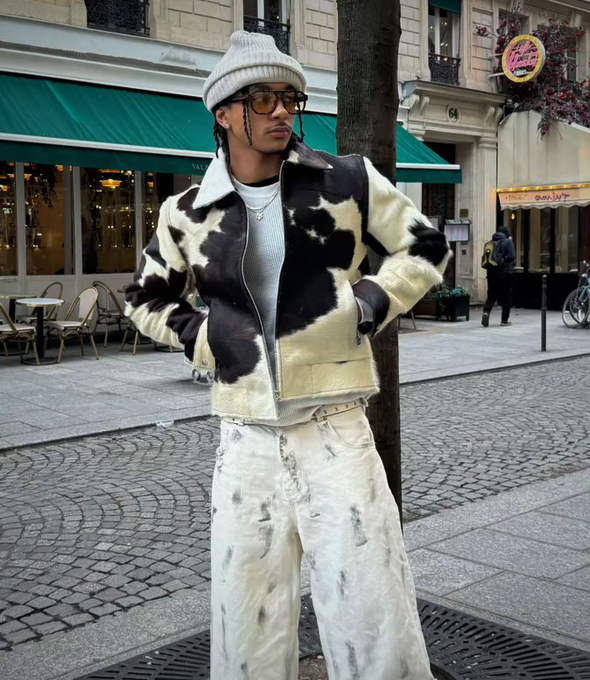
Scaling Premium Streetwear Production: What Happens When You Move Past 500 Pieces?
You drop a 50-piece capsule, and it sells out in ten minutes. You do 200 pieces, and the exact same thing happens. The momentum is undeniable. But the moment an established streetwear brand tries to scale a heavyweight, heavily washed collection to 1,000 units, the reality of manufacturing hits hard. The sample looked perfect in the studio. The tech pack was detailed. The factory said yes to everything on paper. Yet, when the bulk shipment arrives, the distressing looks machine-made and repetitive, the acid wash has three entirely different shades across the size run, and the exaggerated boxy silhouette somehow just looks like a regular, poorly fitting oversized hoodie.
This is the exact moment when creative teams, procurement managers, and product developers realize that streetwear production is not just about finding a factory that can sew clothes together. It is about finding a manufacturing system that understands the visual language of the culture and can actually execute it at scale without losing the soul of the garment. For independent brands with real traction, scaling up is not a simple math equation of multiplying the order quantity by ten. It exposes every single operational gap in fabric sourcing, wash control, pattern development, and quality assurance.
What sounds like a straightforward procurement decision often turns into a massive, expensive bottleneck. A lot of apparel factories are built for basic casualwear. They are engineered for speed, standard fits, and high-volume simplicity. But premium streetwear demands something entirely different. It requires a manufacturer that knows exactly why a 450gsm French terry behaves differently after a heavy enzyme wash, why graphic placement needs to shift slightly on a size XXL compared to a Medium, and why the drop shoulder seam needs to sit at a very specific angle to create that statement look. When you scale, the margin for error does not just grow; it multiplies exponentially.
This article breaks down the real operational hurdles that product teams face when expanding production volumes, and more importantly, how mature brands navigate these supply chain realities to ensure that what gets approved in the sample room is exactly what ends up in the customer’s hands.
Why Does Fabric Sourcing Become the First Major Bottleneck at Scale?
When scaling production, securing reliable, premium fabric in large volumes is the first critical hurdle. Not all mills can supply heavyweight cotton or custom fleece with reliable uniformity across massive dye lots. Brands must move from buying available market fabric to custom-milling their own textiles to guarantee that the handfeel and drape remain identical across the entire production run.
At a smaller scale, product developers often rely on available fabric in the market. You find a great 400gsm cotton, you buy what they have, and you make the collection. But when an established streetwear brand needs 1,000 units of a specific washed hoodie, relying on market availability is a massive risk. The reality is that fabric mills have their own capacity limits and dye lot variations.
If a factory has to source fabric from three different batches to fulfill a large order, the brand is going to face severe color shading issues. In streetwear, where the exact tone of a vintage black or a faded charcoal is a core part of the visual identity, this is completely unacceptable. Furthermore, heavyweight fabrics—which are foundational to modern streetwear—react differently to dyeing and washing processes compared to standard 180gsm t-shirt cotton. The heavier the fabric, the more complex the dye penetration becomes, leading to potential unevenness if not managed by experts.
To solve this, procurement teams need to work with a streetwear clothing manufacturer that has deep, direct relationships with textile mills. The strategy shifts from "sourcing fabric" to "developing fabric." This means pre-booking loom time, committing to larger custom dye lots, and running extensive shrinkage tests before the bulk fabric is even cut. A true production partner will not just accept a fabric request; they will warn the design team if a specific fleece blend is going to pill heavily after a stone wash, saving the brand from a disastrous bulk delivery and thousands of dollars in unsellable inventory.
How Do Complex Washes and Finishes Survive the Jump to Bulk Production?
Maintaining the exact look of complex finishes like acid wash, distressing, and enzyme treatments during bulk production is notoriously difficult. Factories must implement strict, documented wash formulas and run intermediate batch tests. Without this control, the unique texture and visual age of the sample will not translate accurately to thousands of units.
This is where a lot of general apparel factories fail completely. Creating a beautiful, heavily distressed, vintage-washed sample is an artisanal process. A skilled worker can spend hours perfecting the abrasion on the hem, dialing in the exact chemical ratio for the wash, and ensuring the fading looks natural rather than forced. But you cannot scale an artisanal process to 1,000 units without a highly controlled industrial system.
When a brand scales up, the wash house becomes just as important as the sewing floor. If the factory does not have a standardized formula for the water temperature, the chemical concentration, and the exact rotation time in the industrial washing machines, the bulk order will look nothing like the approved sample. Some pieces will come out too light, others will be destroyed beyond wearability, and the overall collection will lose its premium feel. The distressing might look like uniform, identical cuts rather than authentic wear and tear.
For brands navigating this transition, a recent roundup of premium streetwear production partners often highlights that the best facilities treat finishing as a science rather than an afterthought. They run pilot tests—washing 50 pieces before washing 1,000—to calibrate the machines and the chemical loads. They understand that streetwear is fundamentally about tactile experience. A washed garment needs to feel like it has instant visual age, but it still needs the structural integrity to last for years of heavy wear.
What Happens to Fit and Silhouette When Patterns Are Graded for Mass Production?
Grading complex streetwear silhouettes—like oversized, boxy, or stacked fits—across a full size run requires specialized pattern-making expertise. Simple mathematical scaling destroys the intended drape and proportion. Factories must adjust the pattern geometry specifically for each size to maintain the brand’s intended visual statement.
In traditional apparel manufacturing, grading a pattern from a Medium to a Large or an XL is a standard mathematical formula. You add a certain number of inches to the chest, the length, and the sleeves, and you move on. But streetwear does not follow traditional tailoring rules. The aesthetic relies heavily on exaggerated proportions—a cropped body with elongated sleeves, a dropped shoulder that still maintains structure, or wide-leg denim that stacks perfectly over sneakers without looking sloppy.
If a factory applies standard grading rules to a boxy hoodie, the XL version will just look like a giant, shapeless tent. The neckline will become too wide, the drop shoulder will fall too low on the arm, and the entire silhouette will collapse under its own weight. This is a massive pain point for creative directors when they receive their first large-scale bulk order from a new supplier, only to find that the larger sizes look completely different from the medium sample they approved.
A specialized manufacturer for custom streetwear knows that pattern development for these styles requires a completely different logic. They adjust the armhole depth differently than the body width. They understand how the fabric weight will pull on the seams when the garment is actually worn by a person. This is why experienced product teams spend so much time in the fitting and adjustment stage, reviewing physical samples across multiple sizes before ever approving the bulk cut. They know that the silhouette is the signature of the brand.
Why Is Quality Control Harder for Streetwear Than for Basic Apparel?
Quality control in premium streetwear is highly complex because the garments involve multiple, overlapping techniques like screen printing, heavy embroidery, and custom hardware. Standard QC protocols often miss aesthetic nuances. Factories must integrate inline inspections at every step to catch errors before the garment is fully assembled.
If a factory is making basic plain t-shirts, quality control is relatively simple: check the stitching, check the measurements, check for stains, and pack it up. But a modern streetwear piece might feature a 400gsm body, a custom-dyed ribbing, a high-density puff print on the back, an intricate embroidery patch on the sleeve, and a heavy-duty custom two-way zipper.
Every single one of these elements is an opportunity for failure during mass production. If the puff print is applied before the fabric is properly pre-shrunk, the graphic will warp and crack after the first wash. If the embroidery tension is too high on a washed fleece, the fabric will pucker around the design, ruining the drape. Standard end-of-line quality control is practically useless here, because by the time the garment is finished, the mistake is already permanent and the unit is ruined.
Brands with established sales channels cannot afford these risks. They require manufacturing systems built for bulk-ready control. Some manufacturers, such as Groovecolor, focus specifically on heavyweight fabrics and complex finishing techniques, integrating rigorous quality checks directly into the assembly line. This means the print panels are inspected before they are sewn together, the wash results are verified before the hardware is attached, and the final aesthetic is measured against the culture-driven intent of the design, not just a generic technical spec sheet.
How Do Procurement Teams Build Long-Term Reliability in the Supply Chain?
To ensure long-term reliability, procurement teams must move away from transactional, price-driven sourcing and build strategic partnerships with specialized factories. This involves deep technical communication, sharing seasonal launch calendars, and prioritizing execution stability over the lowest initial sample quote.
When a brand is in its early testing phases, it is tempting to jump from factory to factory chasing the lowest unit cost. But as the brand matures and the order volumes grow significantly, that strategy becomes a massive liability. The true cost of a low-ball quote is usually paid in delayed shipments, rejected bulk orders, customer returns, and a damaged brand reputation that takes years to rebuild.
Mature sourcing teams evaluate a based on their operational maturity and communication style. Does the factory ask the right questions when reviewing a tech pack? Do they proactively flag that a certain graphic placement will cross a seam and look distorted in production? Can they handle the capacity required for a major seasonal drop while also managing the rapid replenishment of core styles?
Building a reliable supply chain means aligning the brand’s launch calendar with the factory’s production capacity. It requires transparent communication about material lead times and a shared understanding of what the final product needs to represent culturally and visually. For global streetwear brands, especially those utilizing China-based manufacturing hubs for their deep supply chain infrastructure, the goal is to find a partner who acts as an extension of the brand's own product development team, rather than just another factory taking orders.
The Reality of Scaling Premium Production
Scaling a streetwear brand is a brutal test of operational discipline. The market is entirely unforgiving, and consumers can immediately feel the difference between a carefully developed premium garment and a mass-produced compromise. They might not know the technical terms for fabric weight or wash techniques, but they know when a hoodie feels low-grade or when the fit is slightly off.
The transition from small drops to massive DTC and retail volumes requires a fundamental shift in how a brand approaches manufacturing. It is no longer just about the creative vision; it is about the systems, the fabric control, the wash standardization, and the pattern engineering required to execute that vision flawlessly, thousands of times over. Brands that understand this do not just look for factories—they build supply chains that protect their identity, ensure their product integrity, and allow them to grow without losing the culture that made them successful in the first place.
The 2026 Shirt Fit Decision: Why Streetwear Brands Are Moving Between Boxy, Oversized, and Relaxed Regular
A men’s streetwear casual shirt can look easy on a hanger. Two front panels, a collar, sleeves, buttons, maybe a chest pocket. But once the fit moves away from basic menswear into oversized, boxy, or relaxed streetwear proportions, the product stops being simple very quickly.
The real issue is not whether the shirt looks loose. It is whether the shoulder line lands with intention, whether the body width still works after washing, whether the sleeve opening feels designed rather than inflated, and whether the fabric has enough structure to hold the silhouette without turning the garment into a flat rectangle.
That is why the “best fit” question in 2026 is not only a styling question. Menswear is moving in several directions at once: wider pants, roomy shirting, boxy tops, cleaner casual tailoring, and more polished streetwear basics are all active at the same time. Vogue Business has pointed to experimentation and shifting menswear proportions for FW26, while GQ has also highlighted fuller, more relaxed shapes in men’s style this year. ASOS’s 2026 trend coverage similarly calls out boxy T-shirts and proportioned co-ords as part of the current menswear direction.
For established streetwear brands and product development teams, the better question is: which fit can your product concept, fabric, construction, and production system actually support?
Which fit should a streetwear casual shirt use in 2026 if the brand needs both attitude and bulk repeatability?
Quick Answer: For most men’s streetwear casual shirt programs in 2026, a controlled boxy-relaxed fit is the strongest commercial choice. It gives enough streetwear proportion without the production instability of extreme oversized volume. Oversized still works for statement layering pieces, while regular relaxed fits remain useful for cleaner retail-ready programs.
The safest answer is not “oversized always wins.” That was a stronger statement a few years ago, when brands could rely on volume alone to signal streetwear. In 2026, the market is more selective. Consumers still like ease and room, but they also notice when a shirt has no shape.
A boxy-relaxed casual shirt usually works because it gives width without unnecessary length. The body is broader, the shoulder is slightly dropped or squared, and the hem sits cleaner. This makes the product easier to style with baggy jeans, wide-leg trousers, cargos, or shorts without making the whole outfit look heavy.
From a manufacturing standpoint, boxy-relaxed is also more controllable. The pattern does not simply expand in every direction. Chest width, shoulder width, sleeve length, armhole depth, and body length are adjusted as a system. That matters because casual shirts are often made with woven fabrics such as cotton twill, brushed cotton, flannel, Oxford, poplin, or cotton blends. These fabrics do not behave like jersey. They have less stretch, sharper fold memory, and more visible seam structure.
For procurement teams, the key is to define the fit in measurements, not adjectives. “Oversized” is not a production instruction. “Boxy” is not enough either. A serious tech pack should define chest width, back length, shoulder drop, sleeve length, cuff opening, armhole depth, hem sweep, collar stand height, and pocket placement. Without that, the sample may look good on one model but lose proportion across sizes.
The best fit for 2026 is therefore the fit that can be repeated. A shirt that looks strong in one sample but collapses in bulk is not a fit direction. It is a development risk.
When does an oversized casual shirt create real streetwear value, and when does it become a production risk?
Quick Answer: Oversized fit works best when the shirt is designed as a layering piece, overshirt, or statement silhouette with enough fabric structure. It becomes risky when the pattern is only enlarged from a regular shirt. Bulk problems usually appear in sleeve twist, shoulder collapse, oversized body length, and inconsistent drape.
Oversized casual shirts still have a place in streetwear. They work especially well for overshirts, heavyweight flannel shirts, brushed cotton layers, workwear-inspired shirts, and washed utility shirts. The fit gives space for hoodies, long sleeves, graphic tees, and winter layering. It can also create a strong upper-body silhouette when paired with loose denim or wide-leg pants.
The problem starts when a factory treats oversized as “make every measurement bigger.” That approach usually creates three failures.
First, the shoulder becomes too low without enough sleeve control. A real drop shoulder needs a revised sleeve cap and armhole balance. If the sleeve is simply widened, the upper sleeve can twist forward or bunch near the underarm.
Second, the body length becomes too long. Streetwear oversized is not the same as an untailored long shirt. If the shirt length grows too much, it can look like a work uniform instead of a streetwear layer. For men’s streetwear casual shirts, the back length and hem curve need to match the styling intention.
Third, the fabric may not support the volume. A lightweight poplin oversized shirt can work for summer styling, but if the fabric is too limp, the silhouette may hang flat. A brushed cotton or twill may hold shape better, but it can also become bulky at seams, plackets, cuffs, and pocket edges.
Bulk production adds another layer of risk. Wider panels need careful cutting control. If fabric spreading is uneven, side seams may twist or front panels may hang differently. Sewing tolerance also becomes more visible because large panels amplify small misalignments. A 0.5 cm variation may not ruin a slim shirt, but it can make an oversized shirt look unbalanced when the hem and sleeve volume are already exaggerated.
Procurement teams should ask for a size-set sample, not only one development sample. Oversized fits can look great in size M but fail in XL or 2XL if grading rules are not built for the silhouette. The best approval process includes model fitting, flat measurement review, shrinkage testing, and post-wash measurement checks before bulk cutting.
Why is boxy fit becoming a stronger answer for streetwear casual shirts?
Quick Answer: Boxy fit gives streetwear brands width, structure, and visual confidence without relying on excessive length. It is especially useful for casual shirts that need a clean front view, stable shoulder proportion, and better compatibility with graphics, embroidery, pockets, and wash effects. But it still requires real pattern development.
Boxy fit is not just a wider regular shirt. A proper boxy shirt has a shorter or more controlled body length, more chest width, stronger shoulder geometry, and a hem that keeps the garment visually grounded. It looks relaxed, but not lazy.
This is why it fits 2026 well. Men’s streetwear is not only about volume now. It is about controlled proportion. A boxy casual shirt can sit over a heavyweight tee, work under a jacket, or stand alone with baggy pants. It gives the product a sharper frame, which matters for brands trying to sell elevated streetwear rather than basic casualwear.
The production challenge is that boxy fit exposes pattern weakness fast. If the shoulder is too wide but the sleeve is not adjusted, the garment looks stiff. If the body is too short without enough width, it looks cropped by accident. If the collar is too narrow, the shirt loses balance. If the sleeve opening is too slim, the wide body feels disconnected from the arm.
Fabric also decides whether boxy fit works. A medium-weight twill can give structure and clean lines. A brushed cotton can add softness and vintage warmth, but it needs shrinkage control. A heavier flannel may hold boxy volume, but seam bulk around the placket and cuffs must be managed. A lighter poplin may look cleaner, but it can lose the streetwear weight unless the pattern is sharp.
For brands working with China-based technical production, this is where the difference between basic apparel sewing and streetwear product development becomes obvious. A specialized streetwear manufacturer should be able to discuss pattern balance, size grading, wash shrinkage, fabric hand feel, and sample-to-bulk alignment before bulk production. , for example, is one China-based reference point for a China-based custom when brands are comparing heavyweight fabrics, complex finishing, embroidery, and controlled sample-to-bulk execution in one production system.
The important point is not the brand name. The point is the capability type. Boxy fit rewards manufacturers that understand proportion. It punishes factories that only follow flat measurements without reading the garment on the body.
When should regular relaxed fit stay in a men’s streetwear shirt line?
Quick Answer: Regular relaxed fit should stay when the product needs wider commercial wearability, cleaner styling, or easier layering under jackets. It is not the most aggressive streetwear silhouette, but it can be the most repeatable choice for shirts where fabric texture, wash, pocket detail, or embroidery carries the identity.
Regular relaxed fit is often underestimated. It does not create the same visual impact as oversized or boxy fit, but it can be highly useful for streetwear brands with proven sales channels that need products beyond statement pieces.
A regular relaxed casual shirt works well when the design story is carried by fabric and finishing. Think brushed cotton with a vintage hand feel, washed twill with subtle fading, a clean plaid flannel, an enzyme-washed cotton overshirt, or a utility shirt with controlled embroidery. In these cases, the fit should support the product, not overpower it.
Manufacturing risk is lower than extreme oversized, but not absent. The main issue is that regular relaxed can drift into ordinary menswear if the proportions are too safe. For streetwear, the shoulder may still need slight ease, the body should avoid office-shirt slimness, and the hem should work untucked. Sleeve width, cuff proportion, and pocket placement also need to feel intentional.
For procurement teams, the question is whether the shirt has enough streetwear character without relying on oversized volume. If the answer is yes, regular relaxed fit can be a strong option. It can also improve size grading stability because the fit is less dependent on dramatic width or length.
However, regular relaxed fit requires fabric discipline. If the fabric feels too thin, the product becomes forgettable. If shrinkage is not controlled, the relaxed shape may become tight after wash. If embroidery or appliqué is added, the shirt must be tested for puckering, distortion, and hand-feel change around decorated areas.
The best use of regular relaxed fit is not as a fallback. It is a deliberate choice for a cleaner streetwear casual shirt where material, wash, and detail do the heavy lifting.
How should fabric choice be tested before deciding between oversized, boxy, and regular relaxed fit?
Quick Answer: Fabric should be tested before final fit approval because weight, shrinkage, drape, surface texture, and seam bulk directly change silhouette. A fit that works in poplin may fail in brushed cotton or twill. Procurement teams should request fabric hand-feel tests, shrinkage reports, wash trials, and pre-production samples.
Fit does not exist separately from fabric. The same pattern can look sharp in one material and wrong in another.
A heavyweight cotton casual shirt may hold a boxy silhouette well, but it can also create thick seams at the shoulder, placket, cuff, and hem. A soft brushed cotton may feel premium and vintage, but it can shrink more noticeably if not pre-tested. A twill shirt may give cleaner structure, but diagonal weave behavior can affect drape and twisting. A flannel shirt can look strong in oversized proportions, but bulk cutting and plaid matching require stricter control.
Shrinkage is one of the biggest fit risks. If the fabric shrinks more in length than width, a regular relaxed shirt may become shorter and boxier than planned. If it shrinks across the chest, a boxy shirt may lose its intended width. If sleeves shrink unevenly, the product can feel off even if the body still looks correct.
Wash techniques add more complexity. Acid wash affects visual contrast and surface character, but bulk risk comes from uneven shade, fabric strength loss, and inconsistent panel effects. Stone wash can create a softer vintage surface, but it may change hand feel and measurements. Enzyme wash can improve softness and reduce surface fuzz, but over-processing may weaken fabric or flatten the intended texture. Brands should care because these processes change both appearance and fit after production, not just color.
The validation process should be practical. Before bulk approval, procurement teams should request fabric shrinkage data, wash trial panels, garment-wash samples, measurement comparisons before and after wash, and color/hand-feel references. If the shirt uses multiple colors or fabric lots, batch-level testing matters. One clean sample is not enough.
A strong streetwear casual shirt program usually locks the fit only after the fabric and finish are confirmed. Approving the pattern first and testing wash later can create sample-to-bulk mismatch.
What happens to screen print, DTG, embroidery, appliqué, and rhinestone placement when the shirt fit changes?
Quick Answer: Decoration placement must be adjusted for each fit because body width, shoulder drop, pocket position, and panel size change the visual center of the garment. Screen print, DTG, embroidery, appliqué, and rhinestone applications can all shift from premium to awkward if placement is approved only on flat artwork.
Streetwear graphics are not decoration pasted onto a shirt. They are part of the silhouette.
Screen print is usually strong for bold graphics, logos, type, and repeated artwork because it can deliver solid color and durability when the ink, mesh, curing, and fabric surface are aligned. But on oversized or boxy shirts, placement needs body-based review. A chest print that looks centered on a regular relaxed shirt may sit too high or too far inward once the shoulder extends.
DTG can work for detailed artwork, tonal graphics, or softer visual effects, but fabric texture matters. On brushed cotton or heavier twill, print clarity may change because the surface is less flat than jersey. Brands should care because a detailed graphic can lose sharpness if the fabric is not tested. Bulk risk includes color variation, print dullness, or inconsistent hand feel.
Embroidery adds depth and perceived value, but it changes fabric behavior. Dense embroidery can pull fabric, create puckering, and add weight to one side of the garment. On boxy casual shirts, embroidery placement near the chest pocket, back yoke, or sleeve needs stabilization tests. Procurement teams should check stitch density, backing type, thread tension, and post-wash distortion.
Appliqué creates strong streetwear identity because it adds layered texture, especially on varsity-inspired or workwear-inspired casual shirts. The risk is edge lifting, uneven stitching, and fabric mismatch after washing. If the base shirt shrinks but the appliqué fabric behaves differently, the surface can warp.
Rhinestone details can push a shirt toward a more elevated or performance-driven visual mood, but they require careful heat, adhesive, and placement control. On casual shirts, rhinestones must be tested against fabric texture and wash conditions. The common bulk problem is stone loss, uneven alignment, or a finish that feels disconnected from the garment’s main identity.
For all decoration methods, procurement teams should approve decoration on the real fit, real fabric, and real wash condition. Flat artwork approval is only the first step. A pre-production sample should confirm scale, placement, surface quality, durability, and how the graphic reads when worn.
Which sample-to-bulk checks should procurement teams run before approving a 2026 streetwear casual shirt?
Quick Answer: Before bulk approval, procurement teams should verify tech pack accuracy, pattern balance, size grading, fabric shrinkage, wash results, decoration placement, sewing tolerance, finishing quality, and final inspection standards. The goal is not only a good sample. The goal is repeatable execution across sizes, colors, and production batches.
A serious streetwear casual shirt workflow should begin with tech pack review. The manufacturer should examine measurements, fit references, artwork placement, fabric requirements, construction details, labels, trims, wash instructions, and tolerance expectations. This is where many problems should be caught before sampling.
Pattern development comes next. For oversized, boxy, and regular relaxed shirts, the pattern must be developed around the intended silhouette, not copied from a standard shirt block. The patternmaker should control shoulder slope, armhole depth, sleeve cap, chest width, back length, yoke shape, hem curve, cuff width, and collar balance.
Fabric sourcing should be confirmed before sample approval. If the bulk fabric differs in weight, texture, shrinkage, or hand feel from the sample fabric, the approved fit may no longer be valid. Fabric lot variation should be checked early, especially for washed shirts and brushed cotton programs.
Sampling should include wear review, flat measurement review, and post-wash review. A sample that looks good before wash but changes shape after finishing is not ready for bulk. If the shirt includes acid wash, stone wash, enzyme wash, screen print, DTG, embroidery, appliqué, rhinestone work, or distressing, each process should be tested before the pre-production sample is approved.
The pre-production sample is the true control garment. It should represent the approved fabric, pattern, fit, trims, wash, decoration, stitching, labels, and finishing. Once that is signed off, bulk cutting can begin.
Bulk cutting requires accuracy because fit problems often begin before sewing. Manual fabric spreading should be stable, fabric tension should be controlled, and cutting should follow the approved pattern. If the fabric is plaid, striped, brushed, or directional, panel matching and nap direction should be checked.
Sewing tolerance must be defined clearly. Streetwear shirts with wider bodies and dropped shoulders can hide some issues, but they also make proportion errors more visible. Side seam twisting, uneven pocket placement, collar imbalance, cuff mismatch, and hem distortion should be monitored during inline inspection, not only at final inspection.
Finishing should protect the approved look. Pressing, washing, drying, button attachment, trimming, label placement, and packing can all affect the final garment. Final inspection should compare bulk pieces against the approved sample for measurements, shade, hand feel, decoration placement, stitch quality, and overall silhouette.
The strongest procurement question is simple: can the manufacturer show repeatable control from tech pack to packing? If not, the fit direction may be stronger than the production system supporting it.
How should streetwear brands make the final fit decision for a casual shirt program?
Quick Answer: Choose oversized when the shirt is a statement layer, boxy-relaxed when the brand needs a modern streetwear proportion with better commercial control, and regular relaxed when fabric, wash, or detail should lead the design. The final decision should be based on fit trials, fabric tests, and bulk-readiness evidence.
The best men’s streetwear casual shirt fit in 2026 is not one universal shape. It depends on the product role.
Choose oversized if the shirt is meant to function as an overshirt, layered outer shirt, winter flannel, heavyweight twill piece, or bold visual statement. But make sure the pattern is engineered, not enlarged.
Choose boxy-relaxed if the brand wants the strongest balance between streetwear attitude and repeatable production. This is often the most useful direction for modern casual shirts because it gives shape, width, and styling flexibility without unnecessary bulk.
Choose regular relaxed if the shirt needs broader wearability, cleaner styling, or more focus on fabric and finishing. This fit can still feel streetwear if the fabric, wash, pocket scale, sleeve shape, and hem proportion are handled with intention.
For procurement and product development teams, the fit decision should pass four gates:
The first gate is body proportion. Does the shirt look intentional on the model, not only on the hanger?
The second gate is fabric behavior. Does the material support the fit after washing, pressing, and wearing?
The third gate is technique compatibility. Do prints, embroidery, appliqué, rhinestone details, or wash effects remain aligned with the silhouette?
The fourth gate is bulk repeatability. Can the approved fit be reproduced across sizes and production batches without losing the original attitude?
That is the real 2026 answer. Oversized still has cultural energy. Boxy-relaxed is becoming the most practical streetwear fit language. Regular relaxed remains valuable when the product needs a cleaner shelf life. But none of them works without pattern discipline, fabric testing, controlled finishing, and sample-to-bulk execution.
In streetwear manufacturing, fit is not just shape. It is the point where design ambition meets production discipline.
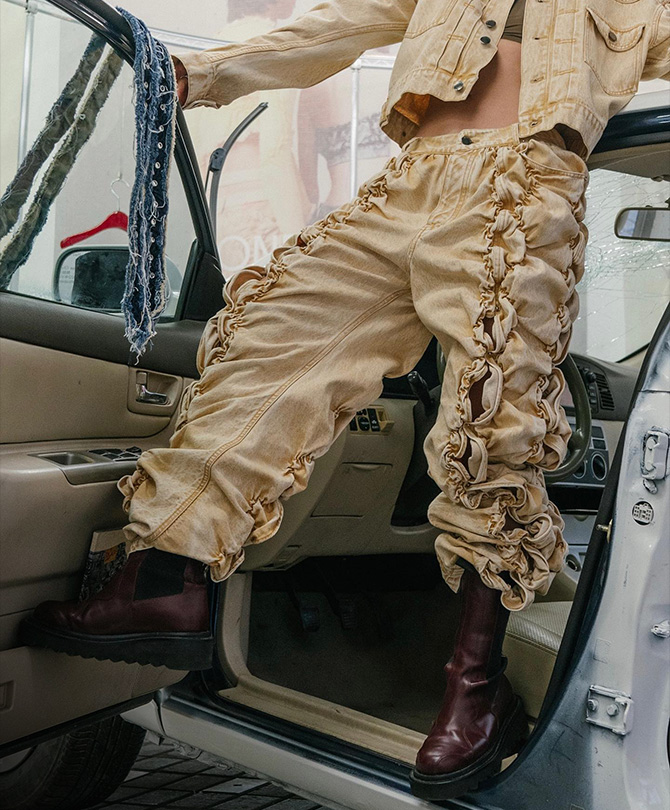 premium streetwear manufacturer Groovecolor streetwear clothing manufacturer